旨在探讨当前社会对个人隐私保护的普遍关注,并分析其重要性,随着信息技术的飞速发展,个人信息被广泛收集、存储和处理,这引发了关于如何有效保护个人隐私的讨论,隐私权的缺失可能导致数据滥用、身份盗窃和网络犯罪等问题,加强个人隐私保护已成为全球共识,本文将通过案例研究,展示不同国家和地区在隐私保护方面的实践与挑战,并提出相应的策略和建议。Body,1. 引言:强调了个人隐私保护的重要性,以及它对社会安全、经济和个人权利的影响。2. 隐私权的概念:解释了隐私权的定义、范围和法律地位。3. 隐私权的法律框架:概述了国际和国内法律中关于隐私权的规定,以及这些规定在实践中的应用情况。4. 隐私保护的挑战:分析了技术发展、社交媒体、大数据等新兴因素对个人隐私的威胁。5. 隐私保护的策略:提出了加强立法、提高公众意识、技术创新等策略,以应对隐私保护的挑战。6. 总结了研究成果,强调了个人隐私保护的重要性,并呼吁各方共同努力,构建一个更安全、更可靠的
tle: PLCs: The Brain of Modern Industrial Control Systems
In the world of industrial automation, where precision and efficiency are paramount, there is a silent yet mighty force at work behind the scenes. This force is none other than Programmable Logic Controllers (PLCs). So, what exactly are PLCs? And how do they revolutionize the way we control our machinery? Let's dive into this fascinating topic.
What Are PLCs?
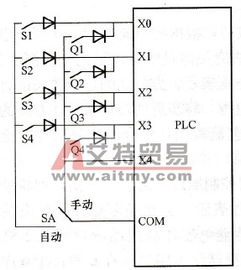
PLCs, or Programmable Logic Controllers, are digital electronic devices designed to perform a wide range of functions within industrial environments. They are capable of processing data, controlling machines, and performing calculations based on instructions stored in their memory. Unlike traditional mechanical controllers, PLCs can be programmed with complex algorithms and logic, making them highly adaptable for various applications.
Key Features of PLCs
-
Programmability: PLCs come pre-loaded with a variety of programming languages such as ladder diagrams, function blocks, and structured text. These languages allow for easy modification and customization of the controller's actions.
-
Digital I/O: PLCs feature a vast array of inputs and outputs that can handle both analog and digital signals. This makes them ideal for controlling systems with multiple sensors and actuators.

-
Reliability: PLCs are built to withstand harsh industrial conditions, making them reliable and long-lasting. They are also equipped with redundant power supplies and fail-safe mechanisms to ensure continuous operation in the event of an outage.
-
Safety Features: Many PLCs come with safety features such as overload protection, fault detection, and emergency stop buttons. These features help prevent accidents and ensure the safety of personnel and equipment.
-
Connectivity: PLCs can be connected to the internet through Ethernet or other communication protocols, making it easy to integrate them with modern software systems for remote monitoring and control.
How PLCs Revolutionized Industry
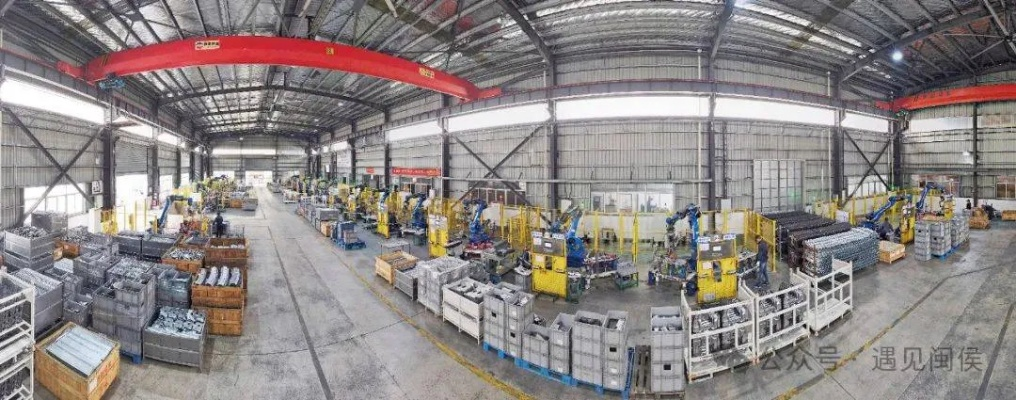
The advent of PLCs has had a profound impact on the manufacturing industry. By introducing greater automation and intelligence into processes, PLCs have significantly improved productivity, reduced downtime, and enhanced product quality.
Take the example of a car assembly line. With traditional controls, each car would require manual intervention by a worker to check its components and adjust the assembly process. However, with a PLC system in place, these tasks can be automated through sensors and actuators. The PLC monitors the progress of the assembly line, detecting when a component needs to be replaced or adjusted. It then sends the necessary commands to the appropriate machine tool, ensuring that the car is assembled accurately and efficiently.
Another example is in the food industry. PLCs are used in meat processing plants to monitor temperature and humidity levels throughout the production process. This helps to maintain optimal conditions for the growth of meat products, reducing waste and improving product consistency.
Conclusion
In conclusion, Programmable Logic Controllers (PLCs) are the brain behind modern industrial control systems. With their programmability, reliability, and connectivity features, PLCs have transformed the way we manufacture and control our products. As technology continues to advance, we can expect PLCs to play an even more significant role in shaping the future of industrial automation. So, if you're looking to streamline your operations and improve efficiency, look no further than the power of
扩展阅读:
大家好,今天我们来聊聊一个在工业自动化领域里非常重要的角色——PLC,也就是可编程逻辑控制器,你可能觉得这个名字有点儿高大上,但其实它就是一个非常实用的“大脑”,让各种机器和设备能够按照我们的指令高效地工作,下面,我们就来揭开PLC的神秘面纱。
什么是PLC?
让我们来定义一下PLC,PLC是一种数字运算操作的电子系统,专为在工业环境下的自动化控制而设计,它通过可编程存储器,用于存储用户自定义的指令集,用于实现特定的功能,比如逻辑控制、顺序控制、定时、计数、算术运算等。
PLC的特点
| 特点 | 说明 |
|---|---|
| 可靠性 | PLC在工业环境中能够承受高温、高压、振动等恶劣条件,非常耐用。 |
| 可编程性 | 用户可以根据需要更改程序,适应不同的控制需求。 |
| 灵活性 | PLC可以控制各种类型的工业设备,如电机、阀门、传感器等。 |
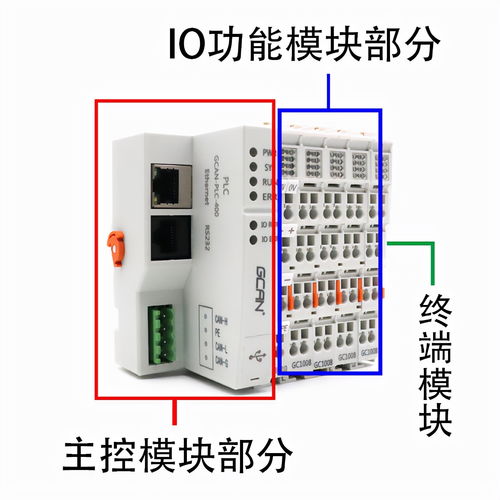
| 可扩展性 | PLC可以通过增加模块来扩展其功能,满足更复杂的控制需求。 |
PLC的应用
PLC的应用非常广泛,几乎涵盖了工业生产的各个方面,以下是一些常见的应用案例:
| 应用领域 | 应用案例 |
|---|---|
| 制造业 | 生产线自动化控制、机器人控制、装配线控制等。 |
| 能源行业 | 发电机组控制、电网调度、石油化工生产控制等。 |
| 交通行业 | 交通信号灯控制、地铁自动化控制、机场行李处理系统等。 |
| 建筑行业 | 智能家居系统、建筑自动化控制等。 |
问答环节
问:PLC和单片机有什么区别? 答:PLC和单片机都是用于控制的电子设备,但它们的设计目的和应用场景有所不同,PLC更注重工业环境下的可靠性、可编程性和可扩展性,而单片机则更侧重于成本和灵活性。
问:PLC的程序是如何编写的? 答:PLC的程序通常使用梯形图、功能块图、指令列表或结构化文本等编程语言编写,这些编程语言都是为PLC设计的,易于理解和编程。
案例说明
让我们来看一个简单的PLC应用案例:一个自动化的饮料生产线。
在这个生产线中,PLC负责控制各个步骤,如:
- 原料输送:PLC控制输送带的速度,将原料输送到混合机。
- 混合:PLC控制混合机的搅拌速度和温度。
- 灌装:PLC控制灌装机的工作,确保每瓶饮料的容量准确。
- 封口:PLC控制封口机的速度和压力,确保封口牢固。
通过PLC的控制,整个生产线可以高效、稳定地运行,大大提高了生产效率。
PLC作为工业自动化的重要工具,已经深入到我们生活的方方面面,它不仅提高了生产效率,还降低了成本,为工业发展做出了巨大贡献,随着技术的不断进步,相信PLC将会在未来的工业自动化领域发挥更加重要的作用。
希望这篇文章能帮助你更好地了解PLC,如果你还有其他问题,欢迎在评论区留言,我们一起探讨。